- Used Engines Oil Pans Offered
- sku: 13672868123883813
- CHEVY 502107
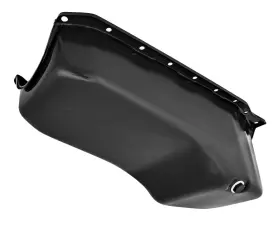
502107 CHEVY Oil Pan Ci Engines Right 305 350
fits model: 305, 350. year: 1986–2002.
| Brand | CHEVY |
|---|---|
| Manufacturer Part Number | 502107 |
| Part Type | OIL ENGINE |
| Color | BLACK |
| Country Of Origin | CHN |
| UPC | 889944242093 |
Review CHEVY Stock Replacement Oil Pan For Ci. Engines Right for 305 350 1986–2002
Introducing the 502107 Oil Pan, an essential component designed specifically for 1986 to 2002 Chevy engines with 305 and 350 ci. This oil pan is a direct replacement for the factory pan, ensuring a perfect fit and seamless installation.
Crafted from high-quality cast aluminum, this oil pan provides enhanced durability and resistance to corrosion. Its robust construction guarantees long-lasting performance, making it an excellent investment for your vehicle.
The oil pan features a large capacity design, enabling it to hold an ample amount of engine oil. This ensures that your engine remains adequately lubricated, even during high-performance driving or extended periods of operation.
Moreover, the 502107 Oil Pan includes an integrated windage tray. This feature helps in reducing oil sloshing within the pan, which can lead to oil starvation during extreme maneuvers or high RPM operations. By minimizing oil turbulence, the windage tray contributes to improved engine performance and reliability.
The oil pan comes with a gasket included in the package. This gasket is precision-engineered to ensure a tight seal between the oil pan and the engine block, preventing any oil leaks.
Installation of the 502107 Oil Pan is a straightforward process. It can be completed with common hand tools, making it a convenient and time-saving upgrade for your Chevy engine.
In summary, the 502107 Oil Pan is an exceptional upgrade for 1986 to 2002 Chevy engines with 305 and 350 ci. Its high-quality cast aluminum construction, large capacity design, integrated windage tray, and included gasket make it a reliable and efficient solution for maintaining optimal engine performance and longevity.
Buying a new oil pan for a 1986-2002 Chevy 305/350 ci engine can be an essential investment for maintaining the engine's health. Here are some pros and cons of purchasing a 502107 oil pan for this engine.
Pros:1. Durability: A new oil pan can provide improved durability and reliability compared to a worn-out or leaking original pan.
2. Leak Prevention: A new oil pan can prevent oil leaks, which can save you money on repairs and reduce the risk of engine damage.
3. Improved Performance: A new oil pan can help improve engine performance by ensuring proper oil flow and preventing oil starvation.
4. Warranty: A new oil pan often comes with a warranty, providing peace of mind and protection against manufacturing defects.
Cons:1. Cost: A new oil pan can be more expensive than reusing an existing one or repairing it.
2. Installation Time: Installing a new oil pan requires time and labor, which can add to the overall cost and inconvenience.
3. Potential for OEM Parts Fitment Issues: Some aftermarket parts may not fit perfectly or require modifications, which could lead to additional costs and complications.
Conclusion:The decision to buy a new 502107 oil pan for a 1986-2002 Chevy 305/350 ci engine depends on several factors, including the condition of the existing oil pan, the cost of repairs or replacement, and the importance of preventing oil leaks and ensuring proper engine performance. If the existing oil pan is leaking, causing performance issues, or nearing the end of its lifespan, investing in a new oil pan may be worthwhile despite the upfront cost and installation time. However, if the existing oil pan is in good condition and the cost and inconvenience of a replacement outweigh the potential benefits, it may be more cost-effective to repair or reuse the existing pan.
Recommendation:If you are considering buying a new oil pan for your 1986-2002 Chevy 305/350 ci engine, I would recommend researching various options from reputable manufacturers, comparing prices, and checking for any available warranties. Also, consider the condition of your existing oil pan and the potential benefits of a replacement, such as improved durability, leak prevention, and performance. Ultimately, the decision should be based on your budget, priorities, and the specific needs of your vehicle.
Details:
specifications oilpanpete:
- for models: 305, 350
- for years: 1986–2002
- brand: Chevy
- mpn: 502107
- part type: Oil Engine
- color: Black
- country of origin: Chn
- upc: 889944242093
general oilpanpete:
- category: Auto Parts > Car Truck Accessories > Engines > Oil Pans
shipping oilpanpete:
- service: standard
- type: fixed
- transit: 3-5 days
- class: standard
returns oilpanpete:
- policy: returns accepted
- paid by: seller
- time: 30 days
offer oilpanpete:
- sold #: 6
- in stock #: 1
- options: ship-to-home
- price: $68.99
- item condition: New
- availability: in stock
- started: may 31, 2026
payments oilpanpete:
- wallet: google-pay
- credit card: discover
- other
seller oilpanpete:
- rating: 99.5%
- city: , ohio
- # reviews: 633014
Similar Items:
- Chevrolet 12559305 97 04 Corvette Vette Oil Pan Batwing Bat Wing One Piece Chevy Gm Gull Chevrolet corvette 2DR base 1997 , 1998 , 1999 , 20 2001 , 2002 , 2003 , 2004 . 1997 - 2004 corvette oil pan bating bat wing one piece design Chevy Chevrolet gm gull with baffle...(January 24th, 2024)
- General Motors 12605528 2006-2013 Chevy Corvette C6 Z06 7.0l Dry Sump Oil Pan Oem Gm Removed from a 9,000 mile c6 Z06 which had performance modifications added. Oem, not an aftermarket replacement. Shipping is free in the continental us. As a result, it no longer needed the oem factory parts. Part # 12605528. Please compare to your original ensure this is the proper part you are ...(January 25th, 2024)
- Gm 14082350 1984-1985 Corvette Factory Oem Oil Pan Original Small Block Chevy 86 This pan is identical to the 1963 -1974 corvette small block Chevy except dipstick on opposite side. It may have also been used in 1986 . There is a small scrape near the drain plug that could be straightened or left as. This oil pan is in good condition overall. It has some surface corrosion as ...(January 26th, 2024)
- Gm Original Equipment Lb7 2001-2010 Chevy Silverado gmc Sierra 6.6 Lly Lbz Lmm Upper Oil Pan 897307345 Came off a LB7 that dropped valve might need new vintage tray. 2001 -2010 Chevy Silverado/GMC sierra 6.6 LB7 Lily lb MM upper oil pan 897307345...(January 27th, 2024)
- Chevrolet 12561829 97-04 Chevy Corvette 5.7l Ls1 Oil Pan With Pickup And Tray Dipstick Oem Put it in a 69 nova so we didn't need this pan. Low miles 41K on engine. Nice complete 97-04 corvette LS1 LS6 one piece 12561829 oil pan with vintage tray, pickup tube and dip stick. The oil pressure sender is damaged see pic...(January 27th, 2024)
- Chevrolet 12636673 Chevy Traverse Oem Engine Oil Pan 3.6l 09 10 11 Model: traverse 2010 . Shipping: shipping is available for this item. If you see that the package courier tries to deliver is damaged, please fill up claim form or do not accept it. ODOMETER:87139 miles. Which include: VW, Audi, BMW, Mercedes, Porsche, and all other makes model's for import ...(January 29th, 2024)
- General Motors 12577396 Engine Oil Pan Aluminum 5.3l V8 Vortec Ls Chevy Tahoe Suburban Engine oil pan aluminum 5.3L v8 vortex ls 12577396 Chevy Tahoe suburban, gm part number, very nice condition, ships fast!, 34802...(February 2nd, 2024)
- General Motors 12696686 2014-2019 Chevy Corvette C7 Lt1 Lt4 Dry Sump Oil Pan Oem Gm 12679951 Removed from a running 2016 corvette Z06 perfect condition ready to install...(February 24th, 2024)
- Chevrolet 311-10108 22 Chevy Camaro Engine Oil Pan 6.2l Lt1 No expedited shipping is available...(February 25th, 2024)
- Chevrolet 311-01066 17 Chevy Corvette C7 Grand Sport 6.2l Lt1 Dry Sump Oil Pan No expedited shipping is available...(February 28th, 2024)
- Chevrolet 311-00828a 98 Chevy Corvette C5 Oil Pan With Pick Up Tube 5.7l Ls1 No expedited shipping is available...(March 4th, 2024)
